

Capturing Migratory Magic in Bharatpur with a 150-500mm Zoom
There’s something magical about stepping into Keoladev National Park on a crisp winter morning in Bharatpur. As a birding coach, I am always bursting with excitement during my regular visits—especially when the migratory season kicks in! Picture this: I set my alarm for 5 a.m., barely sleep thanks to the anticipation, and arrive at the park gate by 6 a.m., just as the first rays of sunlight illuminate the marshes.
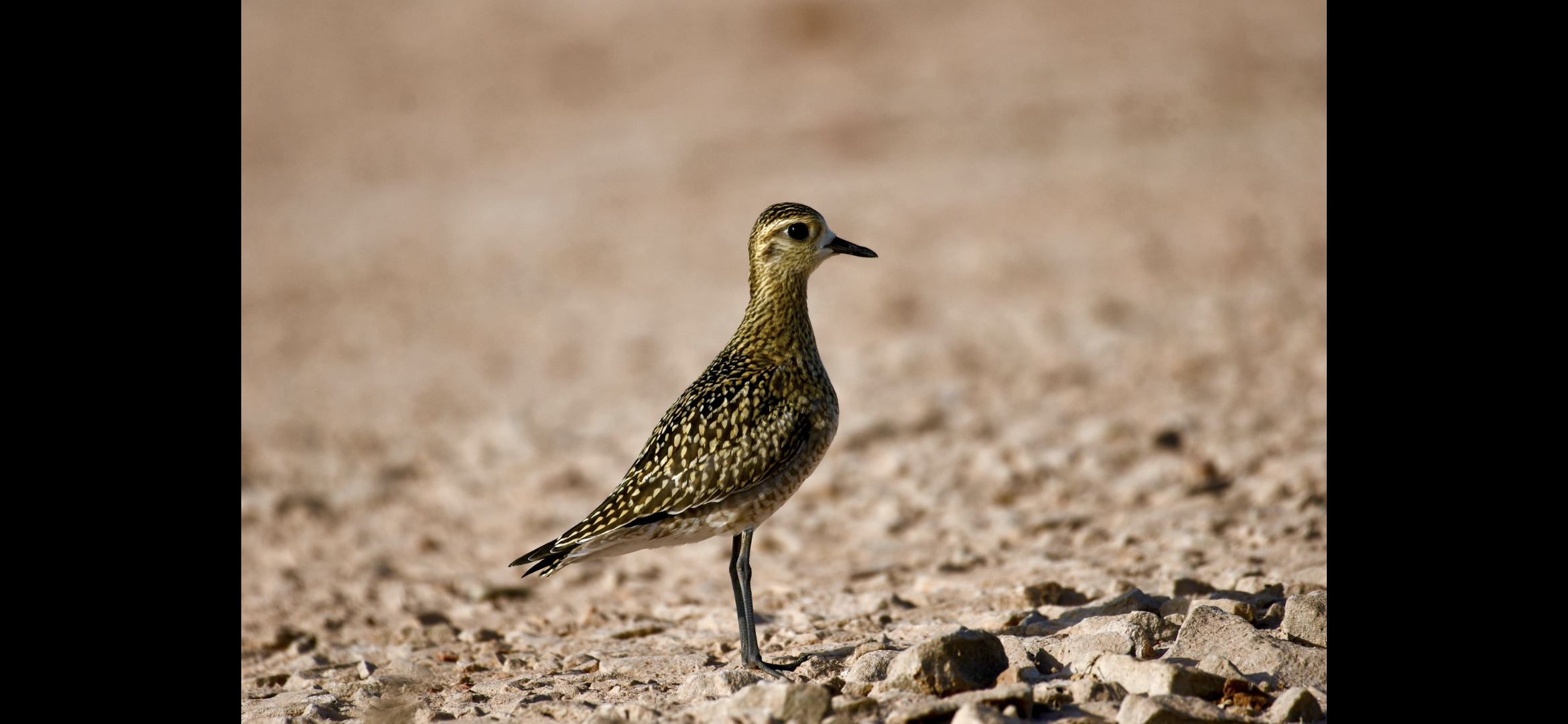
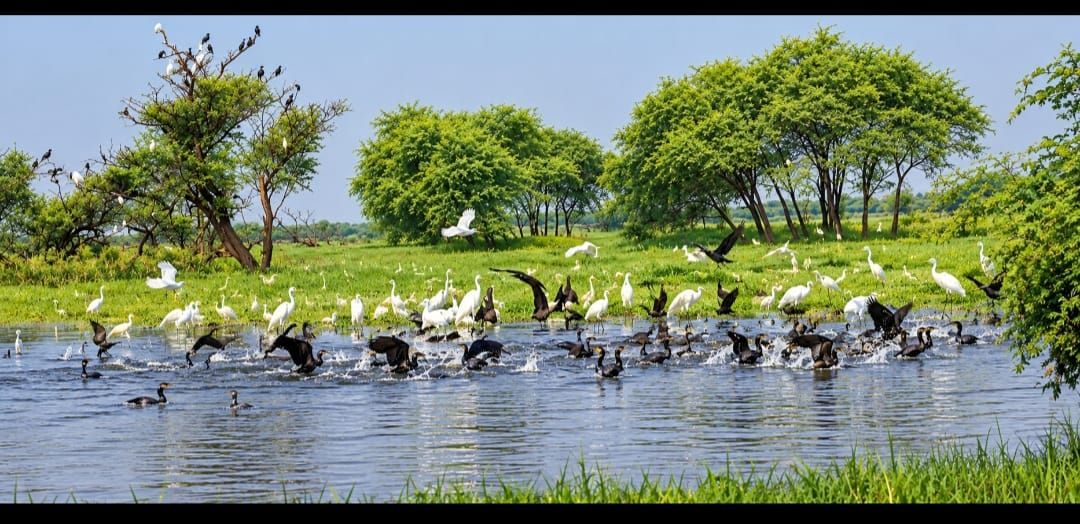
The air is cool, my breath fogs up a bit, and the park is alive with the distant honks and twittering of hundreds of migratory birds: bar-headed geese, Siberian cranes, painted storks, and many more. Armed with my trusty DSLR fitted with a 150-500 mm zoom lens (the ultimate birding weapon!), I tiptoe along the trails, careful not to startle my feathered models. If I’ve said it once, I’ve said it a hundred times—wearing neutral colours and skipping the perfume is the secret to great bird photos!

My students often ask me, “Sir, how do you manage to get those close-up shots?” The answer: patience, a steady hand, and the right gear. Sometimes I wait for several minutes, perfectly still, before a bird decides to hop into frame. Other times, a flock bursts into flight and I have to be quick on the shutter. The thrill never gets old! By 7 a.m., the soft golden light makes every photo look magical. Sometimes, a painted stork wades just metres away, giving me that perfect shot. I take notes on my sightings—who was feeding, who was showing off their plumage—and encourage my students to do the same. You’ll be amazed how patterns emerge over time!
By 9 a.m., as the sun climbs and the birds settle down to rest, I pack up, feeling absolutely energised. Heading home, I’m already planning the next outing and wondering which new migrant surprise I’ll spot. If you’re reading this and itching to join, just remember: respect our birds, blend into the environment, and bring your sense of wonder. Birding isn’t just a hobby; it’s an adventure full of stories waiting to be captured—both in your camera and in your heart.
So, what are you waiting for? The next winter dawn at Keoladev awaits us. Happy birding—and don’t forget to share your best clicks with the group!

Leave a Reply